%202.png)
How Much Does Water Damage Restoration Cost in Los Angeles? (2026)

Updated: Jul 22
By Asher Ben-Haim
As of July 2026, water damage restoration in Los Angeles usually runs between $1,305 and $5,707 for a typical job, with the national average at $3,455. A small leak caught quickly can run just a few hundred dollars. A severe flood or a sewage backup that reaches much of the house can climb into the tens of thousands. Los Angeles almost always sits at the higher end, because labor and materials here cost more than in most of the country.
That range is wide for a reason. "Restoration" covers two very different jobs: the emergency cleanup that dries the house out, and the rebuild that puts it back together. Most cost guides only price the first one. At Built to Perfection, we handle both under one roof, from water removal and drying through the full rebuild, as an IICRC Certified Firm with 25 years of building across Los Angeles and Orange County. Seeing the whole job is the only honest way to budget for it, so this guide breaks down what each part costs and what moves the number.
What water damage restoration costs in Los Angeles
Start with the national figures below. They give you a baseline. For a Los Angeles job, plan to land at the higher end or above it.
Source for these figures: Bob Vila's water damage cost data.
Two things jump out. The cost to rebuild is far higher than the cost to dry the house out, which is where most budgets go wrong. And every figure here is a national number, while Los Angeles costs run well above the national average. Both points get their own section below.
The two phases: cleanup and rebuild
Most homeowners searching for a price find one number and assume it covers everything. It usually doesn't. A water damage project runs in two phases, and the quoted "restoration" figures you see online almost always stop after the first.
The first phase is the cleanup, sometimes called mitigation. It is the emergency work that stops the damage from spreading: pulling out the water, drying the space, running dehumidifiers, disinfecting, and tearing out materials too far gone to save, like soaked drywall, carpet, and padding. Mold cleanup happens here too, when there is mold.
The second phase is the rebuild. This is putting the home back the way it was: new drywall, flooring, cabinets, paint, and any structural repairs. This is the part a general contractor actually owns, and on most moderate to severe losses, it's the bigger of the two bills.
The rebuild is usually the larger number, but not always. A minor, clean leak caught within a day might be almost all cleanup and very little rebuild. The rebuild takes over on the jobs that get bad: dirty water, water that sat for days, or damage that soaked into floors and walls and has to come out. That's also the point where a handoff between a cleanup crew and a separate builder tends to cost homeowners time and money, and it's why we handle both phases ourselves at Built to Perfection.
Cost by water type: clean, gray, and black water
Not all water is equal. Restoration crews sort it into three types based on how contaminated it is, and the type has a direct effect on cost. Dirtier water means more protective gear, sealing off the area, more disinfecting, and pulling out materials that soaked it up instead of simply drying them. The three types come from the industry's main standard, set by the IICRC.
There's no "Category 4." And here's the part that hits your bill directly: clean water can turn dirty within about 24 to 48 hours if it sits, which is one of the biggest reasons a fast response saves money.
Cost by cause: pipes, slab leaks, sewage, and roof leaks
What caused the damage shapes the price, because different sources bring different water, different repairs, and different amounts of hidden damage. Below are common Los Angeles scenarios. Each figure covers the repair to the source or the cleanup itself. The resulting water damage and rebuild are usually on top of that.
Cost sources for the table above: HomeGuide on burst pipe repair, slab leak repair, sewage cleanup, water heater repair, and roof leak repair.
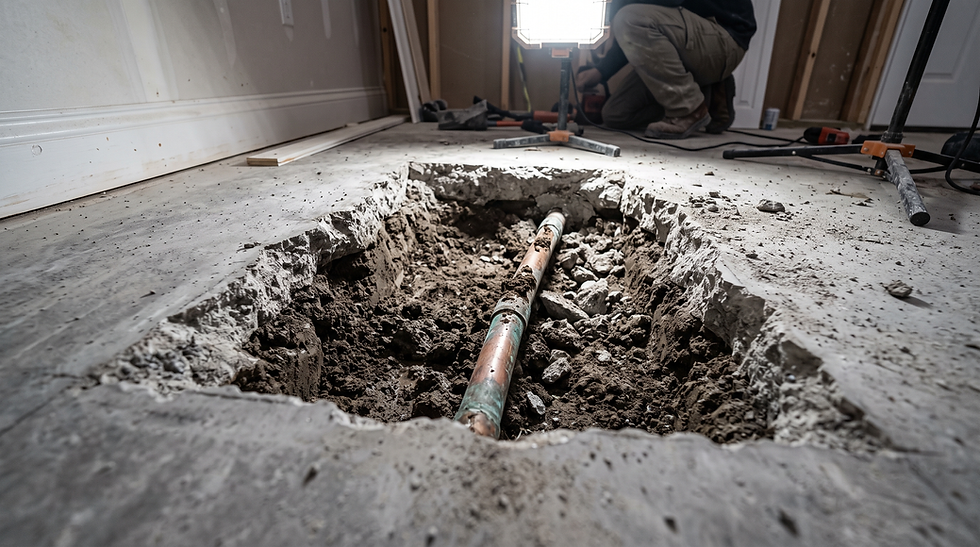
Slab leaks deserve a note for LA homeowners. A lot of the housing stock here sits on concrete slab foundations, and a pipe that fails under the slab can run for a while before anyone notices. By the time it surfaces, the water has often traveled, which pushes the damage and the rebuild well past the cost of the plumbing repair itself.
What mold remediation costs
Mold is the hidden cost that shows up when water sits. The EPA is direct about the timeline: "If wet or damp materials or areas are dried 24 to 48 hours after a leak or spill happens, in most cases mold will not grow." Miss that window and mold cleanup gets added to the job.
The EPA also notes that mold covering less than about 10 square feet can often be handled by a homeowner. Larger areas, or any mold from sewage or dirty water, call for a professional with containment and protective gear.
For professional mold removal, national figures in 2026 run about $1,500 to $6,000 for a typical job, and $15,000 or more for a whole-house or severe case. Per square foot, expect somewhere around $15 to $30. The takeaway is simple: drying fast is far cheaper than removing mold later.
The rebuild: putting the home back together
This is the phase most cost guides skip, and it's where the real money usually is. Once the house is dry and the ruined materials are out, the home has to be rebuilt. This is priced by the work, and it adds up fast. Flooring alone can run more per square foot than the entire cleanup:
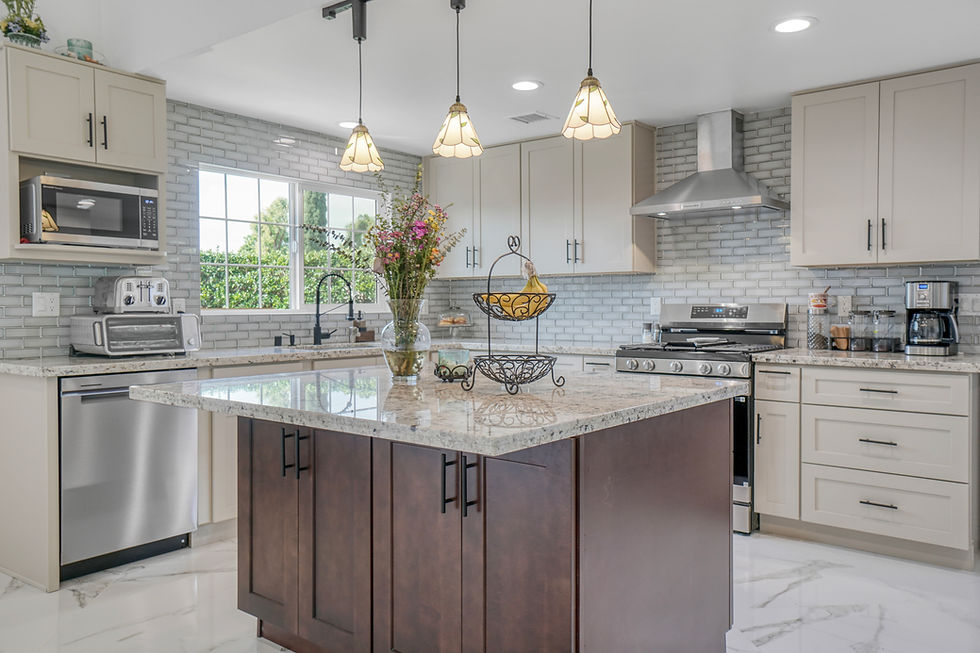
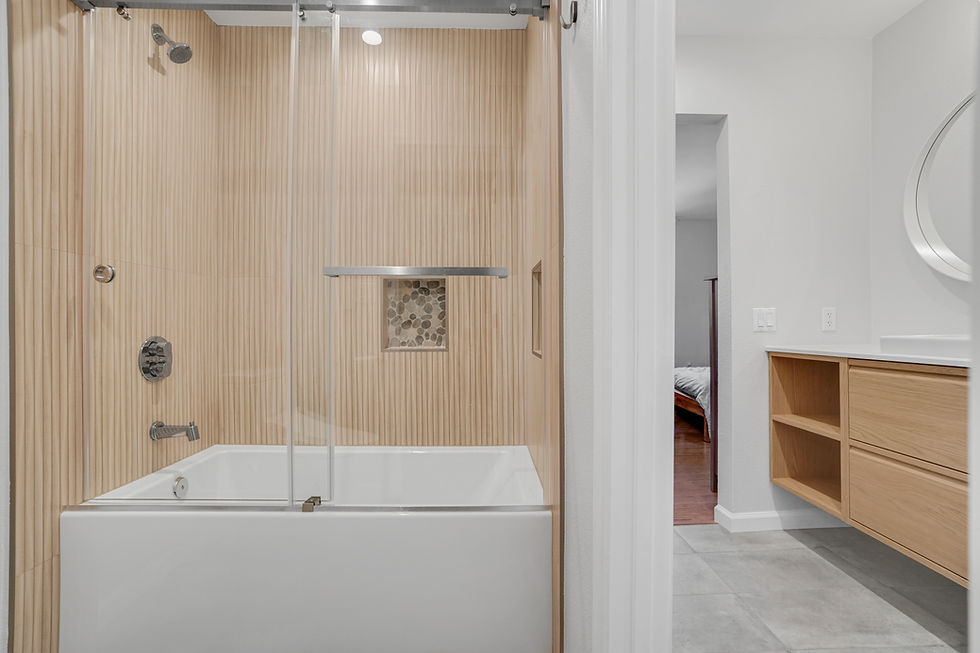
When water damage reaches a kitchen or a bathroom, the rebuild can turn into a full remodel of that room, which is why this phase varies so much. It's the same general home remodeling work we do outside of an emergency, just triggered by water instead of a planned project. If the rebuild is big enough to need permits, the timeline stretches, and Los Angeles permitting has its own steps worth understanding ahead of time.
Our guide to the LA construction permitting process walks through what to expect.
Why water damage costs more in Los Angeles
Every national figure in this guide needs an upward nudge for Los Angeles. According to the Los Angeles County Economic Development Corporation, the cost of doing business in Los Angeles runs about 20% higher than the national average, and labor and materials are a big part of that. Plan for LA numbers to land at the high end of these ranges, or above, especially on the rebuild.
Beyond the LA premium, these are the factors that move a water damage bill up or down:
Water type. Clean water is cheaper to handle than gray or black water.
Size and depth of the affected area. More square footage and deeper soaking mean more drying and more tear-out.
Materials involved. Materials that soak up water, like drywall and carpet, often have to be removed. Hard surfaces can sometimes be cleaned and saved.
How fast you respond. Delay lets water spread, the water type get worse, and mold take hold.
Cosmetic versus structural damage. Surface repairs are far cheaper than structural work.
Permits for the rebuild. Larger rebuilds need permits, which adds time and cost.
Local labor and material rates. This is where the LA premium hits hardest, especially in the rebuild.
Weather plays a part too. LA does not see constant rain, but when storm season hits, roof and ceiling leaks spike. We wrote more about protecting a home and a project through the wet months in our piece on remodeling in the rain in LA and OC.
Why a fast response lowers the cost
Water damage gets more expensive the longer it sits. To a skeptical homeowner that can sound like a line a contractor uses to rush the decision, but it's really just how the damage works. The water type can get worse, mold can take hold within a day or two, and materials that could have been dried out instead have to be torn out. The same leak ends up costing very different amounts depending on how fast someone gets to it.
The drying itself is often the single largest part of the cleanup bill. Crews run fans and dehumidifiers around the clock, usually for about three to five days, and longer for a badly soaked space or humid weather. Emergency and after-hours calls also cost more. None of that changes the basic math: a fast response usually means a smaller scope, less tear-out, and a lower total bill.
How insurance fits in
Insurance is the question almost every homeowner asks, and it's the one where we're careful not to overpromise. What a policy covers is between you and your carrier, and it comes down to the details of your policy and your situation. We're the contractor who coordinates with your insurer and rebuilds your home, not a claims adjuster.
In general terms, insurers tend to treat sudden and accidental water damage, like a pipe that bursts, differently from gradual damage that builds up over time from a slow leak or deferred maintenance. Flooding from outside the home is usually handled separately, through the government's flood insurance program run by FEMA, rather than a standard homeowners policy. Deductibles apply to any claim. For anything specific to your coverage, your own carrier or agent is the right source.
One practical detail on cost: if you need a formal estimate strictly for an insurance claim, Built to Perfection provides an insurance-only estimate for a $1,500 fee. If you move forward with the restoration and rebuild, that is a separate conversation about the actual scope of work.
Why one contractor for both phases saves money
The standard way water damage gets handled is messy. A cleanup company dries the house out and tears out the damage, then leaves. The homeowner is on their own to find a builder for the rebuild, often weeks later, with two companies pointing at each other when something does not line up. That handoff is where budgets slip and timelines stretch.
We built our water damage work to skip that gap. Built to Perfection handles the full job, from the first emergency call and drying through the rebuild that returns your home to the way it was, as one design-build firm with one point of accountability. As an IICRC Certified Firm, we handle the moisture, dry the structure to standard, and clean up affected materials before we rebuild. As an EPA Lead-Safe Certified Firm, we're set up for the tear-out and rebuild that older homes require, and much of Los Angeles was built before 1978.
The credentials behind that work: 25 years of LA-area home construction, family-operated, CSLB License #837987 (Class B General Building), BBB A+ accredited since 2016, and a BuildZoom score that ranks us in the top 1% of California contractors. We take on water damage and rebuild projects starting at a $7,500 minimum.
Water damage restoration cost FAQs
How much does water damage restoration cost in Los Angeles?
A typical job runs from $1,305 to $5,707 based on national averages, with LA usually landing at the higher end or above. Small leaks can run a few hundred dollars, and severe flooding or sewage losses can reach the tens of thousands. The final number depends most on the water type, the size of the affected area, and how much rebuild the home needs.
Is it cheaper to fix water damage if I catch it early?
Yes, and the difference is big. Clean water can turn dirty within 24 to 48 hours, and mold can start growing in that same window. A fast response usually means less tear-out, less mold cleanup, and a smaller rebuild, which all lower the total.
Does homeowners insurance cover water damage?
It depends on your policy and the cause. Insurers generally treat sudden, accidental damage differently from gradual, maintenance-related damage, and outside flooding is usually covered separately through the federal flood insurance program rather than a standard policy. Check with your own carrier for what your policy covers.
Why is the rebuild more expensive than the cleanup?
Cleanup and drying run about $3 to $7.50 per square foot. The rebuild is priced by the work, and new drywall, flooring, cabinets, and paint add up to far more than drying out a space, especially when the damage reaches a kitchen or bathroom.
How long does water damage restoration take?
Drying alone usually takes about three to five days. A full restoration that includes the rebuild can run from a few days for minor damage to several weeks or more when kitchens, bathrooms, or structural repairs are involved.
Talk to a contractor who handles both phases
If you're dealing with water damage right now, or you just want to know what a fair number looks like before you call anyone, we're glad to walk you through it. Built to Perfection handles water damage across Los Angeles and Orange County, from the first emergency call through the final walk-through, so you're not left managing a cleanup crew and a builder separately. Reach out for a free consultation and we'll give you a straight read on what your home needs and what it should cost.